What is a sewage lagoon?
Learn about sewage lagoons and how they work.
What is a sewage lagoon?
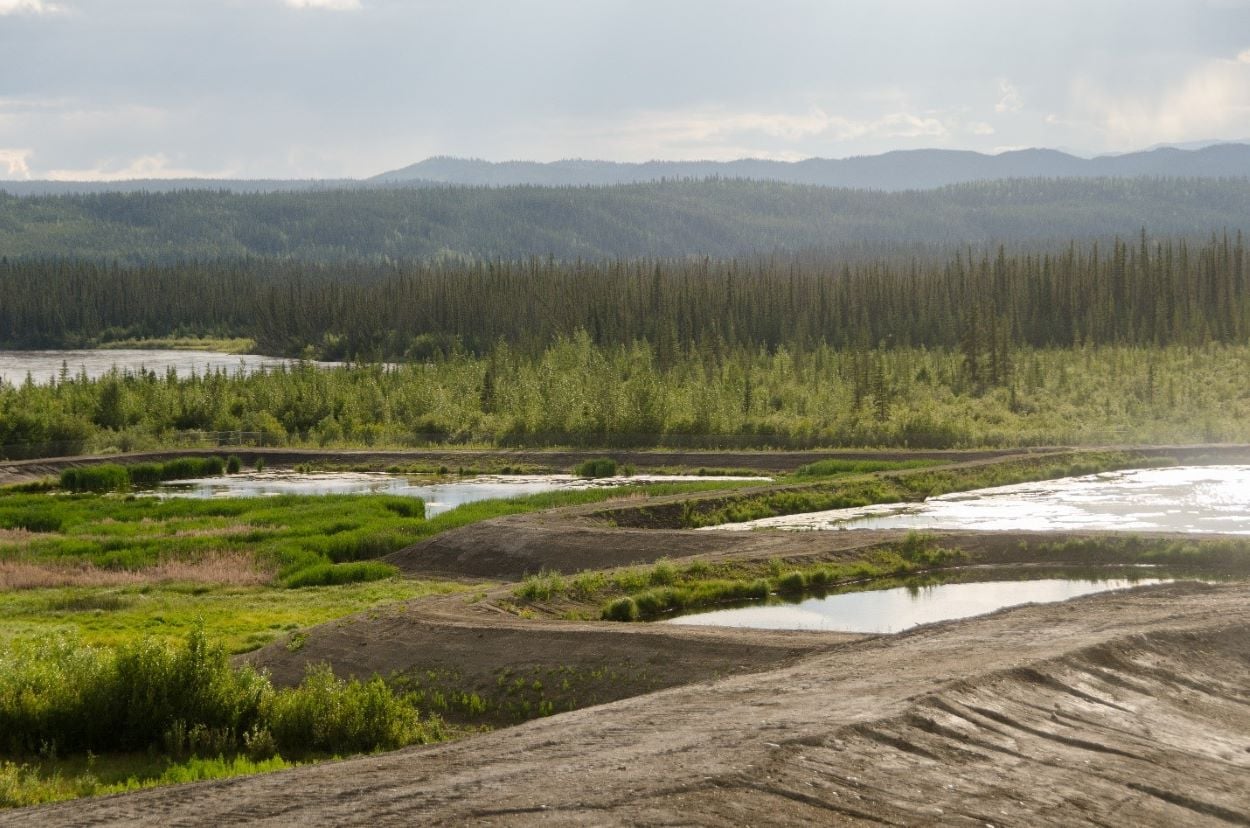
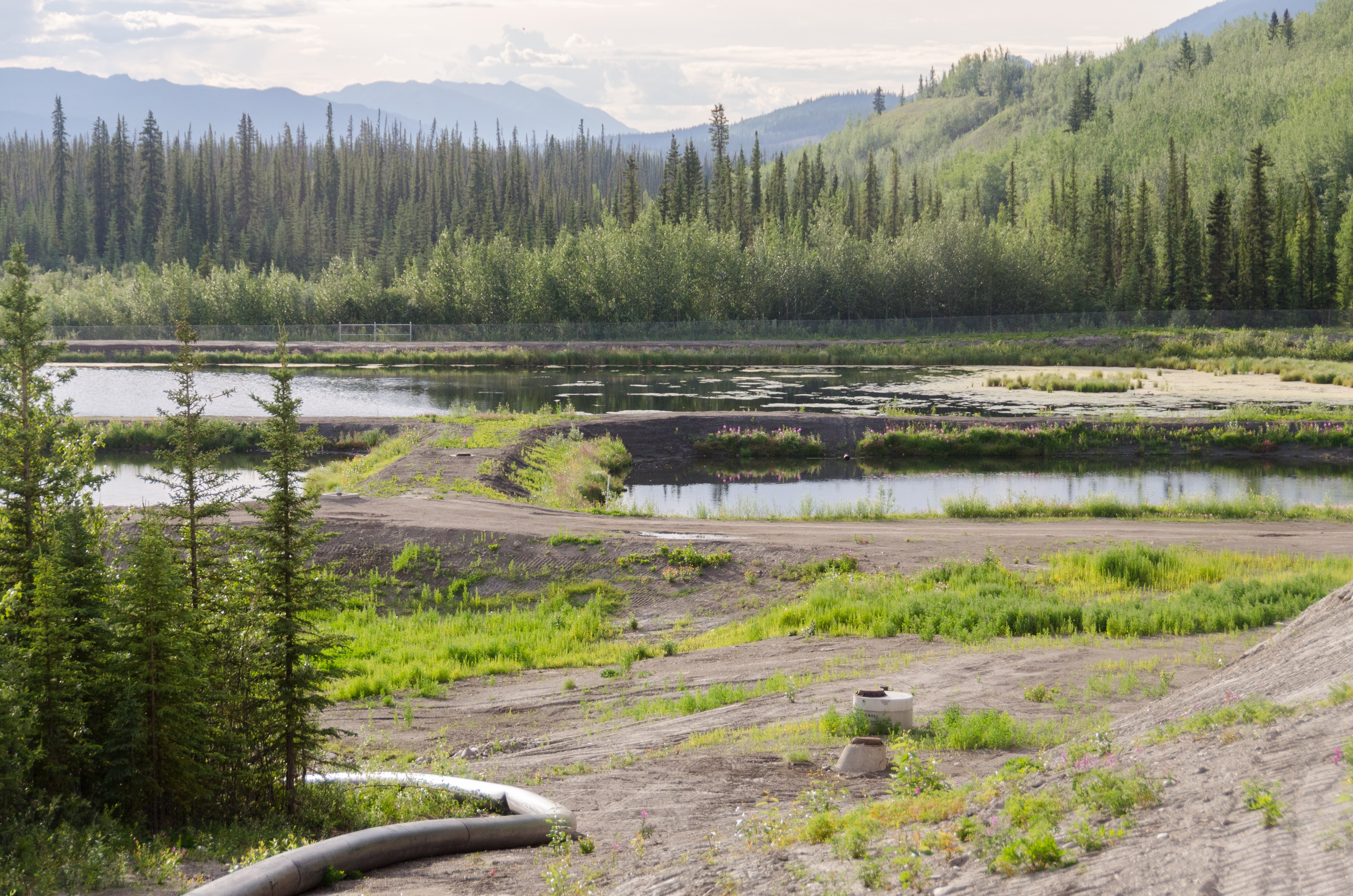
A sewage lagoon is a large pond that wastewater flows into. Bacteria break down the sewage; a healthy, well-managed lagoon is odourless.
Most of the treatment in lagoons is natural. The sun and wind provide light, warmth and oxygen, which encourages bacterial growth. The good bacteria break down waste so the treated water can eventually return to the environment.
Lagoons can be lined with clay or artificial material to prevent untreated wastewater from seeping into the ground.
Are they safe?
- Lagoons are completely safe; migratory birds often use them as rest areas.
- Before water is released, it is tested to ensure it meets the quality standards set in the regulatory requirements.
- The lagoons are fenced and locked.
Do sewage lagoons work in the North?
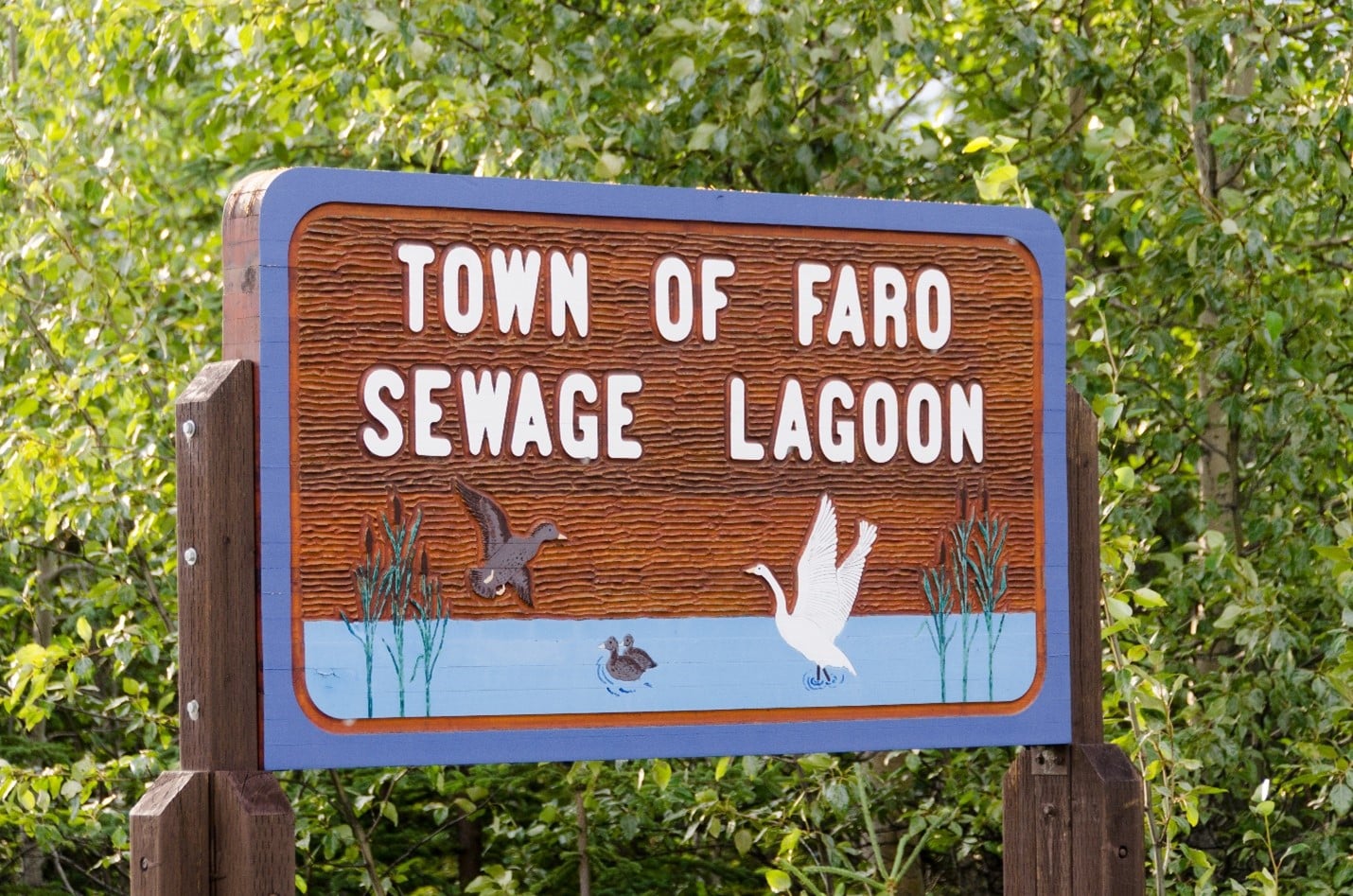
Lagoons are the most common way to treat wastewater in the North. Whitehorse, Haines Junction, Faro, Old Crow, Yellowknife, and North Pole, Alaska, all use them. Carmacks is closing its mechanical water treatment plant and switching to a lagoon.
Sewage lagoons are often chosen by small to medium-sized communities for a variety of reasons, including the following:
- their effectiveness in northern communities;
- their reliability in treating wastewater; and
- their low operating cost.
What is an infiltration gallery?
An infiltration gallery is a series of underground pipes that seeps treated water back into the environment. It works similar to a septic field.
Will this sewage lagoon contaminate the City of Dawson's drinking water?
No. The lagoon will be lined to ensure no untreated water is leaking into the environment. The design of the sewage lagoon will include setbacks called an infiltration gallery that functions similar to a residential septic field.